
In the vibrant culinary landscape of Denver, Colorado, Marczyk Fine Foods has long been a beacon of handcrafted quality and community-driven retail. Known for their scratch-made breads, artisanal entrees, and market-made specialties, Marczyk’s commitment to excellence is evident in every bite. But behind the scenes, their journey to operational efficiency was anything but simple.
In a recent ECRS Learning Lounge webinar, Rob Jones, CFO of Marczyk Fine Foods, offered a candid glimpse into the company’s operational evolution. By integrating reciProfity with CATAPULT®, powered by Unified Transaction Logic®, Marczyk transitioned from spreadsheet overload to a streamlined, scalable system, laying a solid foundation for continued growth and precise control over the data that drives their success.
A Storied Partnership and a New Frontier
“We have been with CATAPULT since we first opened our first store in 2002,” Jones began. “it’s been a very storied and long relationship, and we’ve also had some very great partnerships along the way.” But even with a strong foundation, Marczyk faced growing pains as their business expanded.
Their commissary, affectionately called the Marczyk Culinary Center, was the heart of their operation—producing everything from fresh-baked breads to gourmet entrees. As demand surged and new retail outlets opened, including a location at Denver International Airport, the team began to feel the strain of managing complex production workflows without a fully integrated system. The challenges they faced weren’t due to shortcomings in their existing tools, but rather from not yet discovering a solution that could unify their operations and provide the clarity they needed to scale with confidence.
The Challenge: Spreadsheets and Silos
Before reciProfity, Marczyk relied on an outdated recipe management platform that served as little more than a digital filing cabinet. “It was just a recipe database,” Jones explained. “It helped us portion cost recipes in a very basic way, but everything else, inventory, unit cost tracking, invoice management, was done manually on spreadsheets.”
This fragmented approach made it nearly impossible to respond to real-time ingredient cost changes, which directly impacted their gross margins. “It was not an easy task in managing inventory, managing unit costing, being aware of any immediate or real-time cost increase for the ingredients,” Jones said. “That was always a huge challenge.”
The Turning Point: Discovering reciProfity
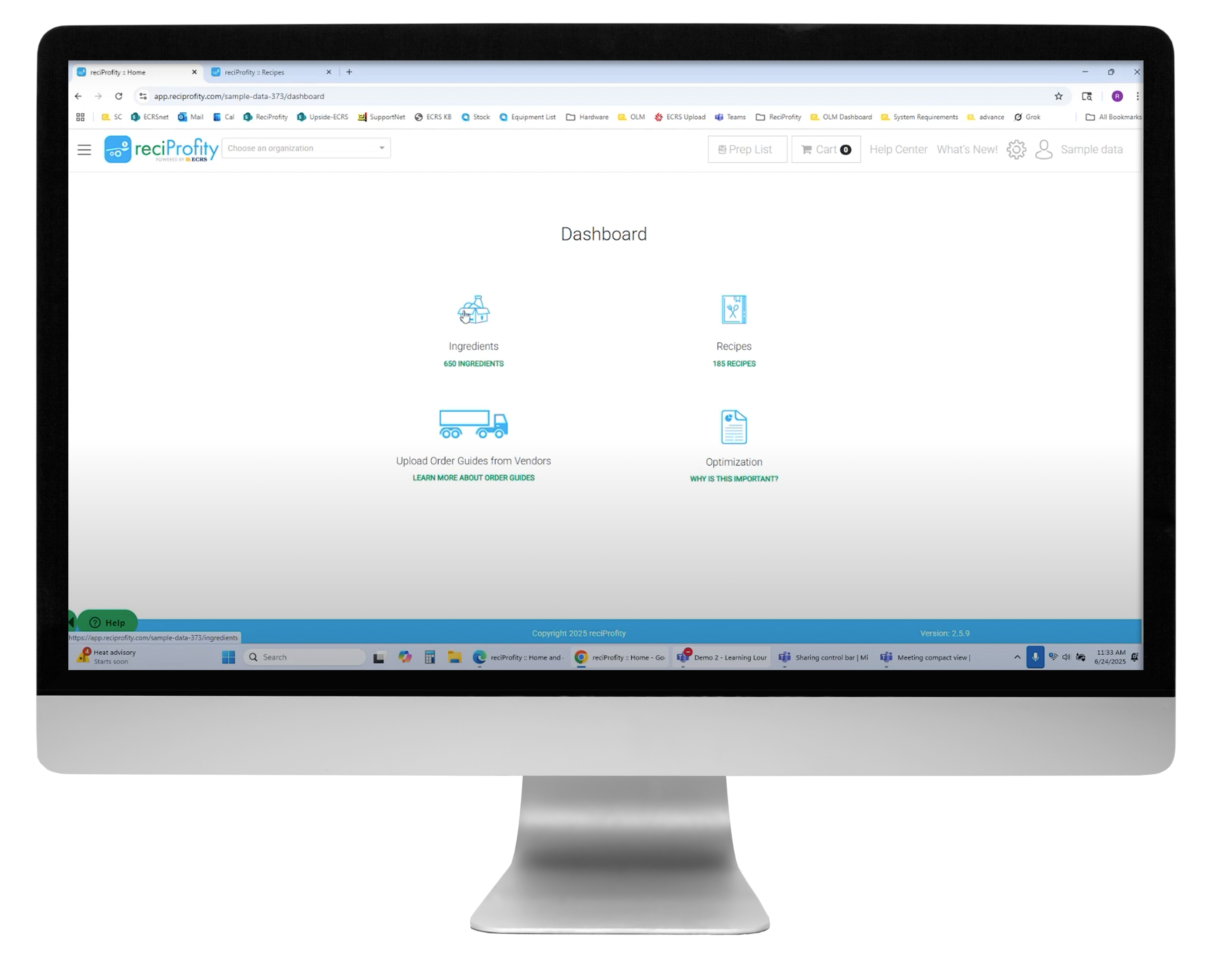
As Marczyk searched for a solution, they discovered reciProfity, and everything changed. “We saw the dashboard during a demo, and it was a big attraction on ease of use and overall potential scalability of that platform,” Jones recalled.
The timing couldn’t have been better. As Marczyk’s wholesale business grew, shipping products to restaurants across metro Denver and expanding into airport retail, they needed a platform that could keep up. “Adopting reciProfity helped us scale our business as we scaled the platform,” Jones said. “It just seemed to be a great fit.”
Integration in Action: From Chaos to Clarity
The initial phase of integration brought immediate benefits. “We’ve never approached unit cost for market-made items with this level of depth before,” Jones shared. “It’s helping us maintain, or even improve, our gross margins.” He also reported that over the past several months, the time him and his team has invested into this integration that “there has been definite return of investment (ROI) from that aspect of the business, and same is true for reciProfity.”
Marczyk’s cautious approach to new technology paid off. “We’re super careful about anything new,” Jones said. “It has to improve sales, efficiencies, our bottom line, or all of the above.”
Unifying the Last Frontier
One of the most exciting aspects of this integration was bringing market-made items onto CATAPULT, Marczyk’s point-of-sale platform that helps streamline their operations for everything from the back office to anywhere a transaction takes place. After entering in all their barcoded items, “this is just one more chapter in getting as much of our retail items on CATAPULT as possible,” Jones said. “It’s the last frontier.”
With the reciProfity integration, Marczyk can now treat commissary-produced goods like any other vendor item. “We place purchase orders onto the commissary, which then ships to our markets,” Jones explained. “Production orders flow through the system with last cost visibility. It’s efficient, trackable, and a major time saver.”
A System That Works for Everyone
The integration didn’t just benefit the finance team—it transformed operations across the board. “We love Perpetual Inventory,” Jones said. “No more physical counting for barcoded items. Better ordering management, tighter inventory, faster cost identification, it all leads to increased gross margins.”
Even frozen goods like ice cream and entrees are now managed through a central system, with production orders creating worksheets for store-level commitment. “It’s saving steps and making everything more organized.” Jones noted.
Looking Ahead: A Future Built on Integration
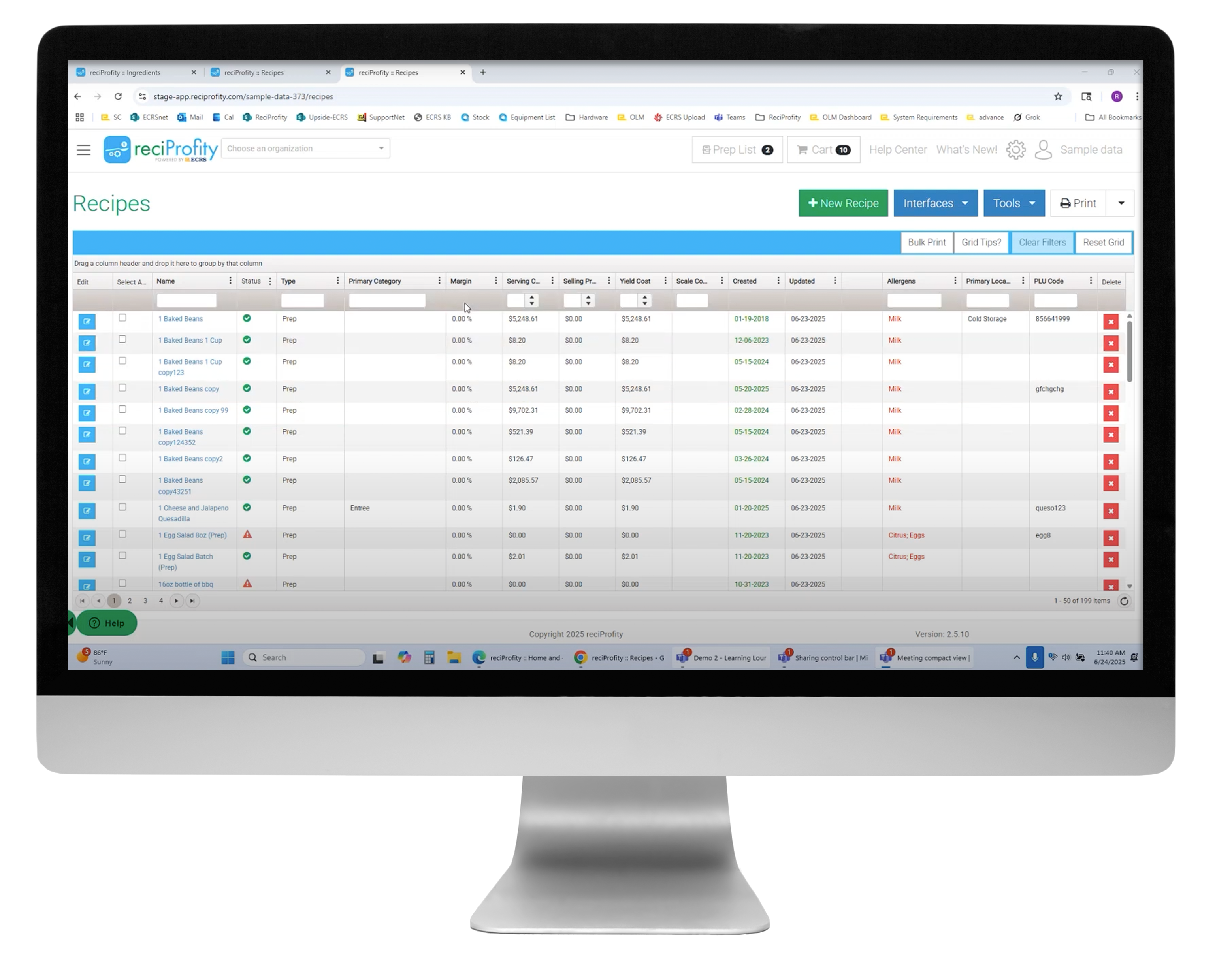
As Marczyk continues to refine their recipes, clean up data, and restructure costing strategies, the team is optimistic. “It’s an investment in time,”
Jones acknowledged, “but once we come out the other end, the return will be undeniable. A year from now, we won’t imagine walking away from reciProfity.”
A Recipe for Success
Marczyk Fine Foods’ journey with reciProfity and CATAPULT is a testament to the power of thoughtful innovation. By embracing integrated systems and investing in scalable solutions, they’re not just preserving their culinary legacy, they’re preparing it for the future.
Ready to streamline your commissary operations and elevate your recipe management? Discover how reciProfity and CATAPULT can transform your business. Visit https://www.ecrs.com/ to schedule a demo today.